
The Rise of the Virtual Wardrobe
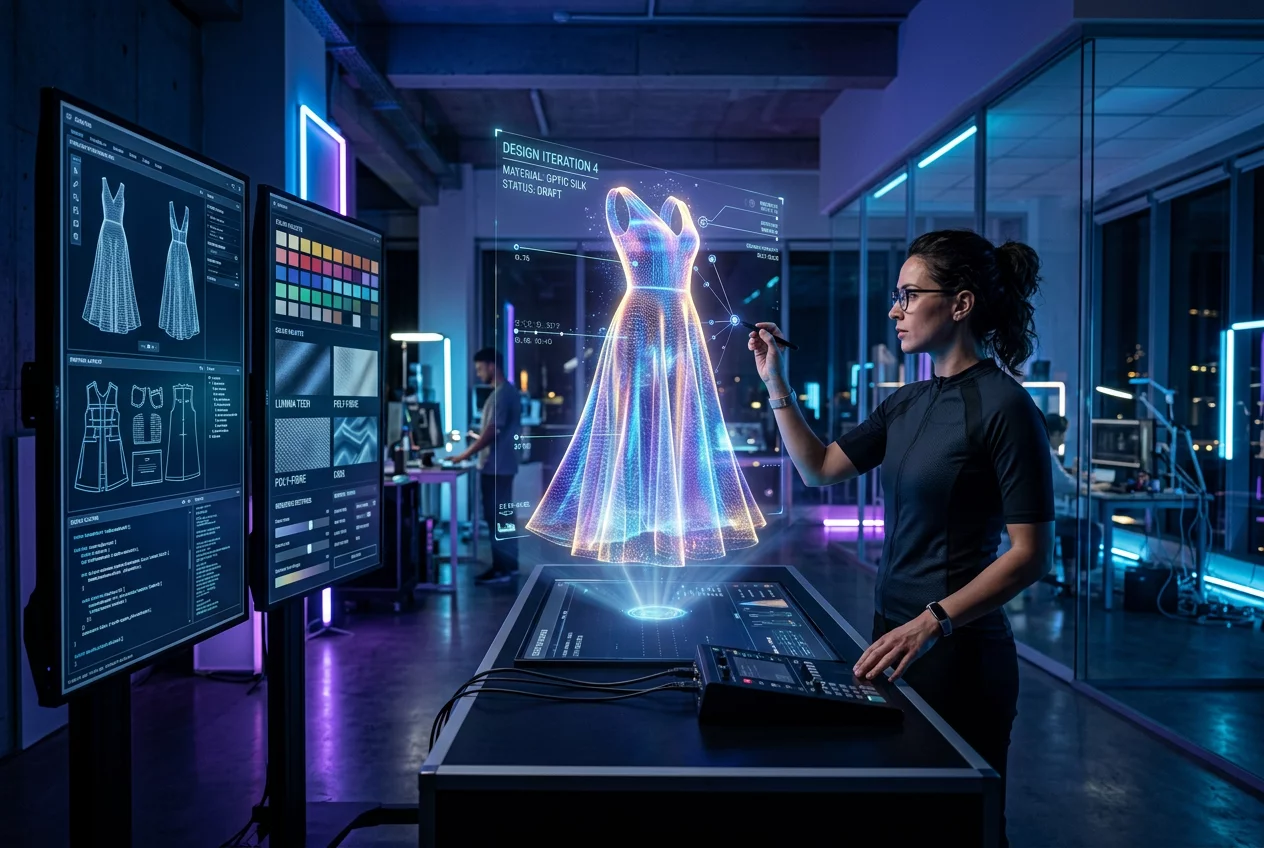
Digital fashion is no longer a niche concept reserved for gamers; it has become a legitimate frontier for the fashion industry. Virtual wardrobes allow consumers to 'wear' intricate, impossible designs in digital spaces, from social media posts to virtual reality meetings. These garments are created using advanced 3D modeling software, allowing for textures and structures that could never exist in the physical world—think floating fabrics made of liquid light or shifting geometric patterns. This technology offers a solution to the environmental impact of fast fashion, providing a way to express style without physical production. Turnexedic is closely monitoring how these digital assets influence real-world personal styling, as the boundary between our physical and digital identities continues to fade.
Virtual Runways and Immersive Experiences
The traditional runway show has been reimagined through the lens of digital technology. Virtual runways allow designers to showcase their collections in fantastical environments, from the surface of Mars to underwater cities. These shows are accessible to a global audience, democratizing fashion in a way that was previously impossible. Viewers can interact with the clothing, zooming in on textures or seeing how the fabric moves in a zero-gravity simulation. This immersive experience creates a deeper emotional connection between the brand and the consumer. For stylists, these virtual events provide a wealth of inspiration, showcasing futuristic beauty looks that can be adapted for the real world using high-tech makeup products and creative hair techniques.
AR Filters: The New Way to Try On Makeup
Augmented Reality (AR) has revolutionized the beauty industry by allowing users to try on makeup virtually. With a smartphone, anyone can see how a specific shade of lipstick or a complex eyeliner design looks on their face in real-time. This technology reduces the need for physical samples and encourages experimentation. Turnexedic utilizes these digital tools to help clients visualize their transformations before a single brush stroke is made. These filters have become incredibly sophisticated, accurately mimicking the way light hits different textures, from matte to high-gloss. This digital-first approach to beauty ensures that clients feel confident and excited about their chosen style.
Digital Influencers and the New Style Icons
A new generation of style icons is emerging: digital influencers. These are entirely CGI-created personas with millions of followers, collaborating with major fashion houses and appearing on magazine covers. Because they are not bound by physical limitations, their style is always flawless and often surreal. They represent a new form of storytelling where fashion, art, and technology intersect. While they are digital, their impact on real-world trends is significant. We see people recreating the makeup and hair of these virtual avatars, blending the digital aesthetic with physical reality. This cross-pollination is a defining characteristic of modern fashion culture.
The Future of Personal Styling in the Metaverse
As we move toward a more integrated metaverse, the role of the personal stylist will expand into the digital realm. Stylists will not only curate physical wardrobes but also manage the digital avatars of their clients. This involves choosing 'skins' and digital accessories that reflect the client's personality in virtual spaces. The principles of good design—balance, color theory, and silhouette—remain the same, but the canvas has changed. Turnexedic is preparing for this future by training stylists in digital aesthetics. Whether in person or in a virtual world, the goal remains to make the client feel empowered and beautiful through the art of styling.
There are no comments yet, you can be the first to leave one